ICPayICPay
Nepal • Emergency Relief • Since 2026

Nepal Flash Flood 2026 — Rescue Updates & Official Donation QR Codes

|

ICPay does not collect or hold donations. Use the official government QR codes below or visit pmdrf.nchl.com.np.

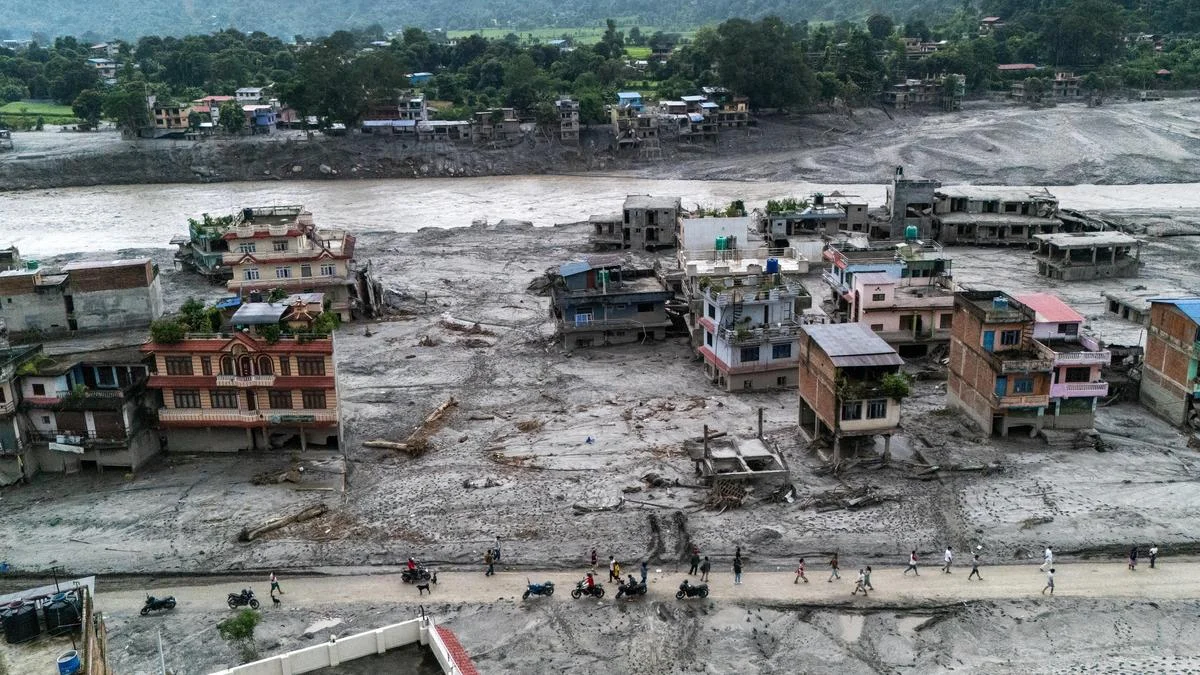
Nepal flash flood — damaged buildings after heavy rainfall
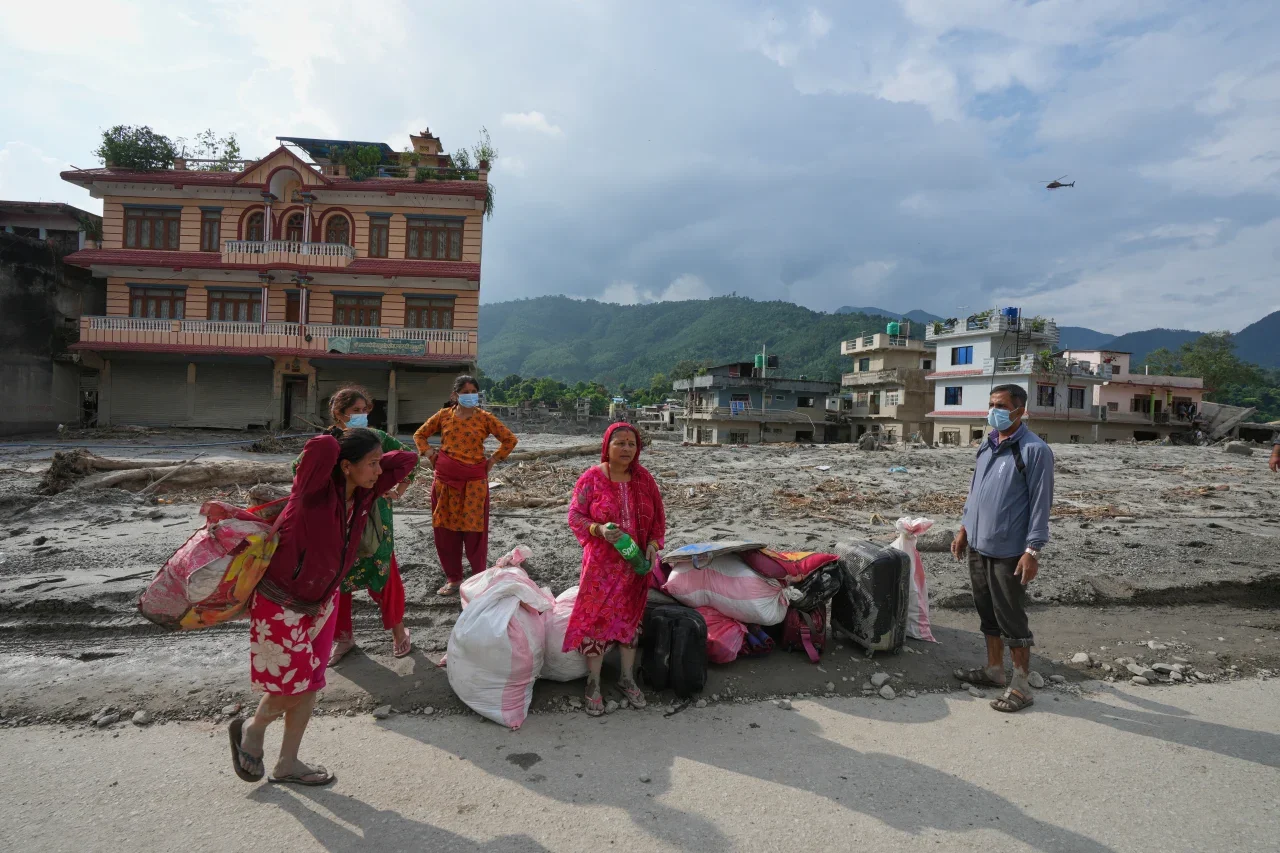
Nepal flash flood — submerged homes and rising water
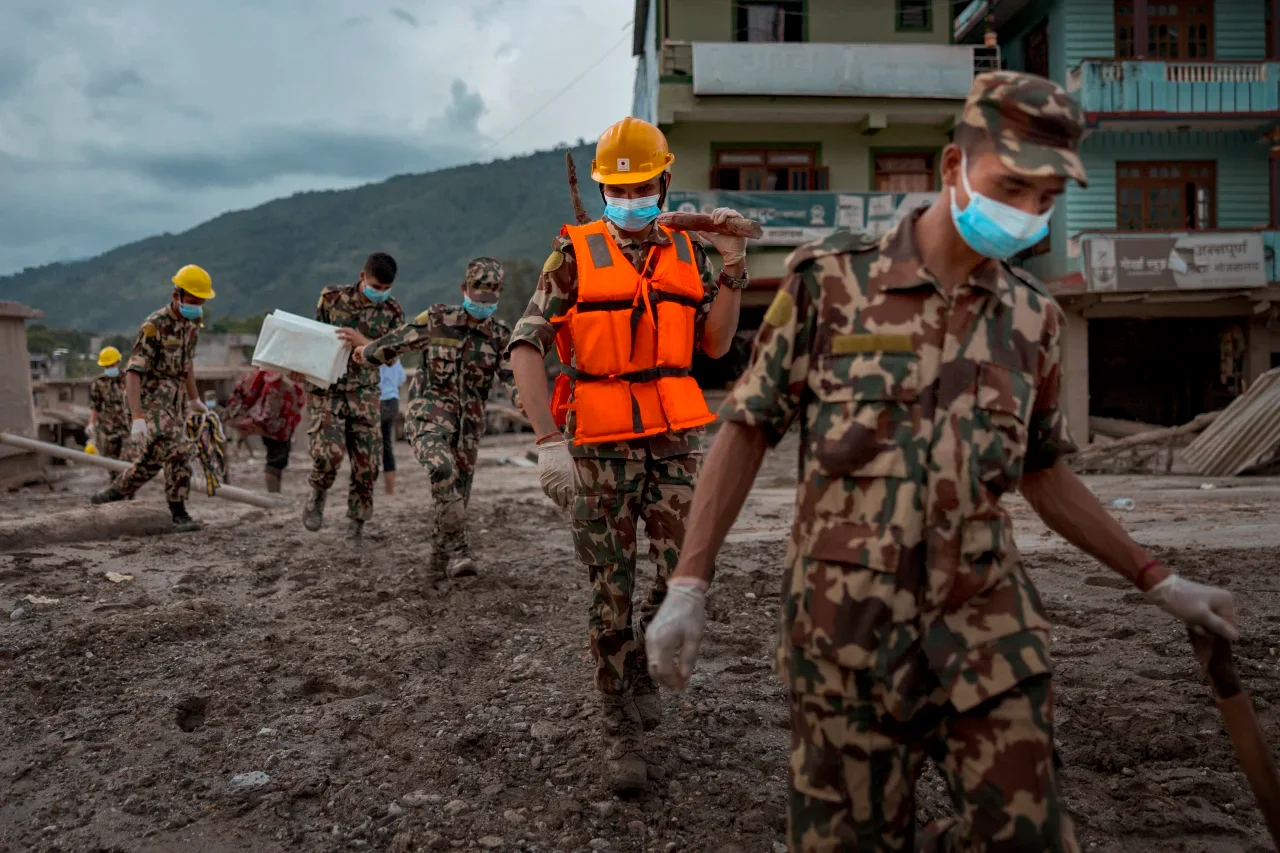
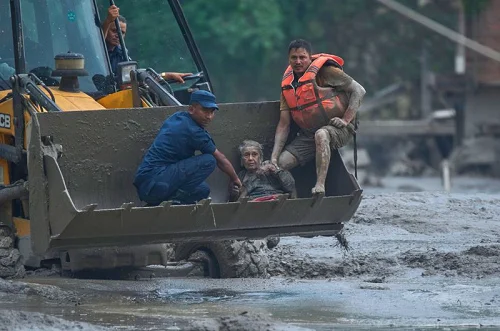
Nepal flash flood — rescue teams helping affected families
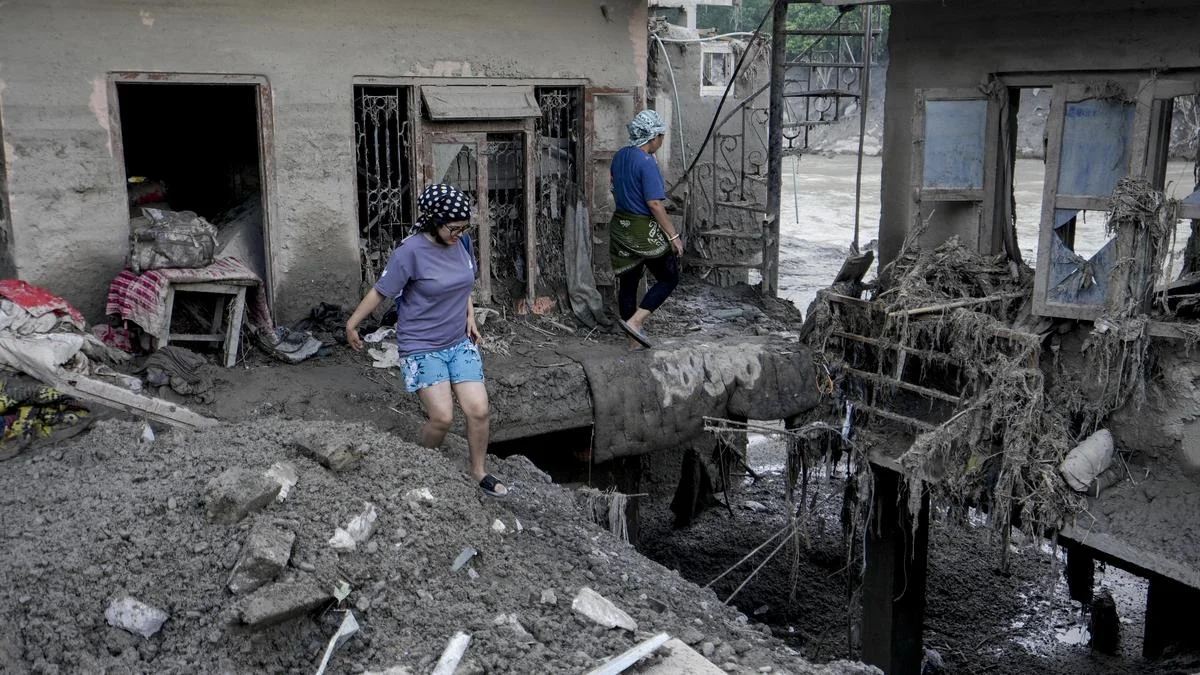
Nepal flash flood — flooded street and debris
Nepal flash flood — landslide impact in hill districts

Where we are

Latest reported toll from official sources. Figures update as rescue operations continue.

Deaths675+
Injuries1,473+
Missing2,498
Nepal flash flood — rescue teams helping affected families

Figures are from Nepal's National Disaster Risk Reduction and Management Authority (NDRRMA) as of 30 August 2026. Regional totals including Tibet: 691+ deaths and 3,044+ missing. More than 7,500 people have been rescued and about 3,500 are sheltered in relief camps. Numbers may change as operations continue.

Donate

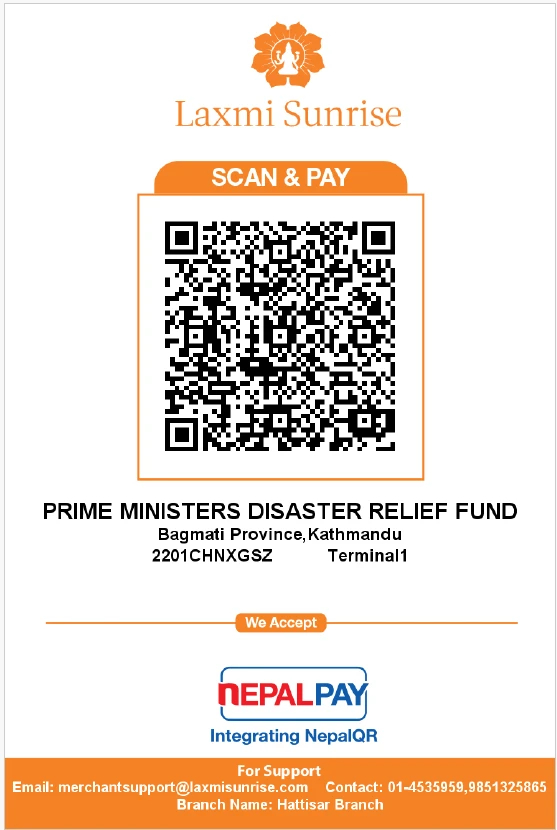
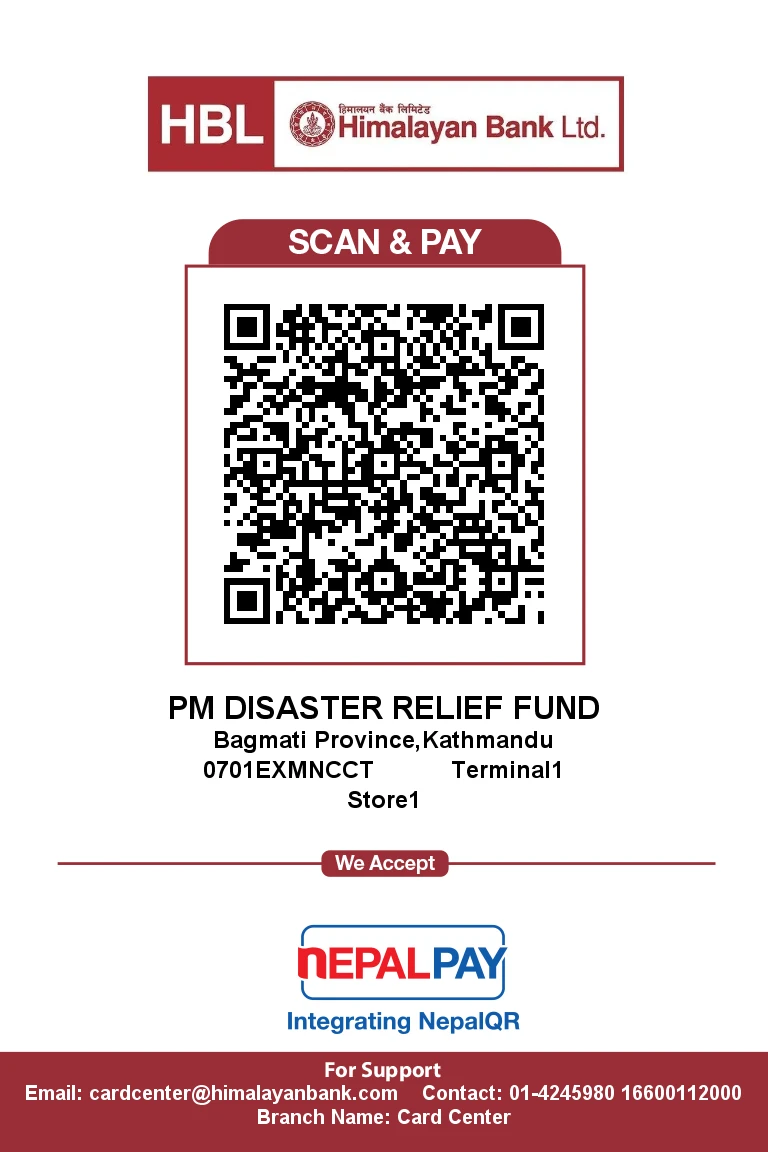
Scan an official government QR code with your banking or wallet app. Payments go directly to the Prime Minister Disaster Relief Fund.

Scan with mobile banking, connectIPS, eSewa, IME Pay, or NepalPay-enabled apps

Laxmi Sunrise Bank — NepalPay QR
Official PM Disaster Relief Fund QR via Laxmi Sunrise Bank
Nepal PM Disaster Relief Fund NepalPay QR — Laxmi Sunrise Bank
Himalayan Bank — NepalPay QR
Official PM Disaster Relief Fund QR via Himalayan Bank
Nepal PM Disaster Relief Fund NepalPay QR — Himalayan Bank
Open official donation portal

Cards, SWIFT, and international donations are available on the official Government of Nepal portal.

On the ground

Nepal flash flood scenes

Communities across Nepal are recovering from sudden floods and landslides triggered by intense monsoon rain.

Nepal flash flood — submerged homes and rising water
Nepal flash flood — rescue teams helping affected families
Nepal flash flood — flooded street and debris
Nepal flash flood — landslide impact in hill districts

Impact

What happened on the Nepal–Tibet border?

On Wednesday, 27 August 2026, a glacial collapse upstream triggered a catastrophic flash flood along the Nepal–Tibet border. A torrent of rock, ice, mud, and debris surged through river valleys — described by survivors and responders as a tsunami-like wall of water — burying villages, roads, bridges, and hydropower infrastructure within hours.

Rescue efforts entered a fifth day as teams searched mud-choked valleys from Rasuwa and the Trishuli corridor in Nepal to Gyirong on the Chinese side of the border. More than 3,700 people had been rescued in Nepal by late August, but thousands remained unaccounted for across both countries.

The Government of Nepal opened the Prime Minister Disaster Relief Fund (PMDRF) for domestic and international donations. ICPay publishes only official government QR codes so you can give directly — we do not collect, hold, or route relief money.

Rescue efforts on the Nepal–Tibet border

Search and rescue operations continued at multiple sites including the Upper Trishuli-1 hydropower project in Rasuwa district and the heavily damaged Gyirong border crossing in Tibet. Nepali Army teams inserted air pipes into the Trishuli 3A hydropower tunnel to supply oxygen to workers believed trapped underground.

Nepal's foreign ministry said the country welcomed specialist technical help for tunnel rescue, restoring transport links where bridges were destroyed, DNA identification of victims, and longer-term body storage — while noting that general search-and-rescue capacity was already mobilised.

India, China, and other partners offered specialist teams and equipment as responders worked through rain, landslide risk, and blocked access roads.

Impact in Nepal

Nepali authorities reported at least 675 deaths, 1,473 injuries, and 2,498 people missing nationwide as of 30 August 2026. Nepal's tourism board said at least 589 foreign nationals were among the missing, including trekkers and pilgrims travelling toward Tibet.

Hundreds of hydropower workers were unaccounted for across projects in the Trishuli corridor. The Independent Power Producers' Association, Nepal estimated more than 900 people linked to multiple power projects remained out of contact at the height of the crisis.

Entire settlements were engulfed along the Bhotekoshi and Trishuli river systems. Survivors described sudden inundation with little warning as debris dams broke and floodwalls failed.

Impact in Tibet and the formed lake

On the Chinese side, state media reported 16 deaths and 546 people missing in Tibet, with Gyirong County among the hardest-hit areas. Information is more tightly controlled by Chinese authorities, and independent verification has been harder than on the Nepali side of the border.

The flood also formed a temporary lake across the border. Chinese officials said water levels at that lake — which had raised fears of a secondary overflow — were receding by late August, though operations were briefly paused in some areas while the risk was assessed.

Chinese state media reported more than 2,100 rescuers deployed near Gyirong, with hundreds evacuated from stranded tourist and residential areas.

What caused the Nepal flash flood?

The U.S. Geological Survey attributed the disaster to a glacial collapse that sent a high-energy debris flow downstream. Climate scientists have long warned that warming Himalayan glaciers increase the risk of glacial lake outburst floods and sudden slope failures in high mountain terrain.

The event was not a typical slow monsoon swell. It was a rapid cascade of ice, rock, and sediment that overwhelmed river channels designed for seasonal rainfall — explaining why damage extended far beyond usual flood zones.

Please note

  • ICPay shares only official government QR codes published for the Prime Minister Disaster Relief Fund.
  • Verify the amount and currency before you pay. Government disaster relief donations are non-refundable.
  • For card payments, SWIFT transfers, or international donations, use the official portal at pmdrf.nchl.com.np.

Nepal flash flood FAQ

Answers about the disaster, missing persons, and how to donate through official channels.

Flash flood footage from the Nepal–Tibet border

Video clips shared on X show the scale of the debris flow that swept through valleys along the Nepal–China border after a glacial collapse upstream.

Flash flood debris flow — border region

Video shared on X showing the force of the flood surge in the Himalayan border area.

On-the-ground flood impact

Footage circulated on X highlighting damage and emergency conditions after the flash flood.

Nepal flood surge footage

Video shared on X showing floodwater and debris moving through affected areas.